
Book a Call
Category: Renovations
Co-op vs condo renovation in New York City showing differences in rules and approvals

Co-Op vs Condo Renovations in NYC: Rules, Approvals, and Real Timelines

Renovating an apartment in New York City is never just about the work itself. The type of building you live in can change the entire experience. This is especially true when comparing co-op and condo renovations NYC.


On paper, co-ops and condos can look similar. In practice, they operate very differently. Understanding those differences before planning a renovation can save months of delays, unexpected costs, and frustration.

This guide explains how co-op and condo renovations differ in NYC, what approvals are required, and how timelines are affected.


Why Building Type Matters So Much in NYC

In New York City, you are not just renovating a unit. You are renovating within a shared building governed by its own rules, management, and priorities.

Co-ops and condos both have regulations, but the level of control they exercise over renovations is very different. These differences impact approvals, scheduling, and even which contractors are allowed to work in the building.

Assuming the process is the same is one of the most common mistakes apartment owners make.


Co-Op Renovations: The Most Regulated Environment

Co-op renovations are widely known for being strict. That reputation exists for a reason.

In a co-op, you are not just a homeowner. You are a shareholder in a building that prioritizes long-term stability and risk management.

What Co-Ops Typically Require

Most co-op renovations involve:

  • Board approval before any work begins
  • A detailed alteration agreement
  • Extensive contractor documentation
  • Proof of NYC licensing and insurance
  • Strict work hours and schedules

Even minor scope changes can require additional review.


Why Co-Op Renovations Take Longer

Co-op timelines are affected by factors outside the contractor’s control.

Common delays include:

  • Board meeting schedules
  • Review cycles for alteration agreements
  • Requests for additional documentation
  • Building-imposed blackout periods

A renovation cannot proceed until every requirement is met. This often adds weeks, and sometimes months, before construction begins.


Condo Renovations: More Flexible, Still Structured

Condo renovations are generally smoother, but they are not unrestricted.

While condo owners have more autonomy, management still enforces rules designed to protect the building and residents.

What Condo Renovations Typically Require

Most condo projects involve:

  • Management approval
  • DOB permits when required
  • Compliance with building guidelines
  • Coordination of deliveries and access

The approval process is usually faster than a co-op, but still requires planning.


Timeline Differences Between Co-Ops and Condos

The construction work itself is often similar. The difference is timing.

  • Co-op renovations typically add 4–8 weeks to the overall timeline due to approvals

  • Condo renovations move faster through pre-construction but still require DOB coordination

Contractors with experience in both environments plan schedules differently depending on building type.


How Permits Interact With Building Rules

DOB permits and building approvals are separate requirements.

A common misconception is that DOB approval alone is enough. In reality, most buildings require:

  • Approved permits
  • Certificates of insurance
  • Contractor credentials
  • Construction schedules
  • Protection plans

Missing either approval can stop a project entirely.


Common Mistakes in Apartment Renovations

Problems often arise when:

  • Contractors are unfamiliar with co-op rules
  • Owners underestimate approval timelines
  • Scope changes occur mid-review
  • Permits are rushed or skipped

These issues rarely appear in estimates but frequently impact schedules.


How Experienced NYC Contractors Navigate Both

Contractors experienced in NYC apartment renovations understand how to:

  • Prepare submissions correctly the first time
  • Anticipate board and management concerns
  • Align DOB filings with building rules
  • Avoid delays caused by incomplete documentation

This experience often matters more than speed.


Final Thoughts

Co-op and condo renovations in NYC are not interchangeable. Each has its own rules, timelines, and risks.

Understanding these differences early helps owners plan realistically and choose contractors who know how to work within the system. When expectations are aligned with reality, apartment renovations become far more manageable.

In New York City, knowing the rules is just as important as knowing how to build.

The Complete Guide to Renovating in New York City (From People Who Actually Do It)

If you’ve ever talked to someone who renovated in New York City, you’ve probably heard a story that starts with excitement and ends with frustration. Not because the idea was bad—but because NYC renovations are a completely different beast.

On the surface, it sounds simple. You want to renovate. You hire a contractor. Work begins. In reality, renovating in New York involves rules, approvals, access issues, building politics, neighbors, inspections, and timelines that don’t behave the way you expect them to.

Whether you’re planning a full apartment renovation in Manhattan, updating a brownstone in Brooklyn, or building out a commercial space, knowing what you’re walking into makes all the difference. This guide isn’t theory. It’s what actually matters when renovating in NYC.


Why Renovating in NYC Feels So Complicated

New York City buildings weren’t designed for easy renovations. Most were built decades ago, many have strict management rules, and almost all operate within tight constraints.

Work hours are limited. Noise complaints are real. Elevators need to be scheduled. Hallways must be protected. Debris can’t just be carried out whenever it’s convenient. And that’s before permits even enter the picture.

What surprises most people is this: even a well-planned renovation can stall if one small approval is missed. That’s why experience matters more here than anywhere else.


Not All NYC Buildings Play by the Same Rules

One of the biggest mistakes property owners make is assuming all renovations follow the same process. In New York, the building type changes everything.

Co-Ops: The Strictest of Them All

Co-ops are known for being tough—and for good reason. They’re highly regulated and protective of the building and its residents.

Most co-op renovations require:

  • Board approval before work starts
  • Detailed alteration agreements
  • Licensed, insured contractors
  • Very specific work hours and timelines

Something as small as moving plumbing can trigger weeks of review. If your contractor hasn’t worked in co-ops before, delays are almost guaranteed.

Condos: Easier, But Still Regulated

Condos tend to be more flexible, but they’re not a free-for-all. You’ll still need:

  • Management approval
  • DOB permits for most work
  • Compliance with building rules

The process is smoother than a co-op, but still requires coordination and patience.

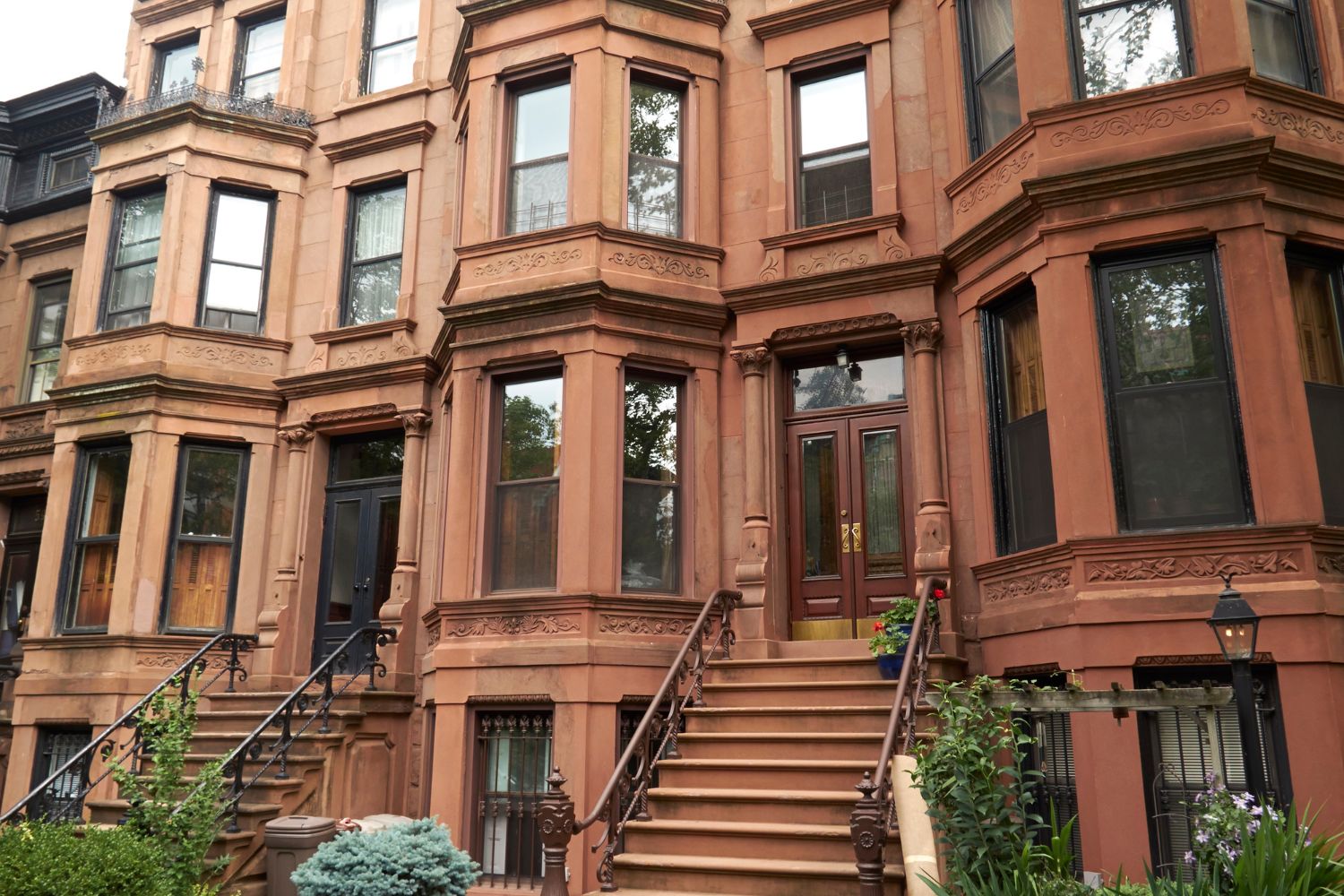
Brownstones and Townhouses

These offer more freedom, but come with their own challenges. Many are older structures. Some are landmarked. That means:

  • DOB filings
  • Possible landmark approvals
  • Structural considerations that don’t exist in newer buildings

Brownstone renovations often require more upfront planning than people expect.

Commercial Spaces

Commercial renovations bring an entirely different set of priorities:

  • Fire and life safety compliance
  • ADA requirements
  • Mechanical coordination
  • Minimizing disruption to tenants or staff

These projects need tight scheduling and strong project management.


Permits: Where Most NYC Renovations Go Wrong

Permits are one of the most misunderstood parts of renovating in New York. Many people assume permits are optional or can be “handled later.” That mindset causes more stop-work orders than anything else.

Depending on the scope, permits may be required for:

  • Construction work
  • Plumbing changes
  • Electrical upgrades
  • Mechanical systems

Even renovations that look cosmetic on the surface can require filings once walls are opened.

And permits are only half the story.

Most buildings also require their own approvals. That means submitting documents, insurance certificates, schedules, and contractor credentials before a single tool touches the site.

When permits and approvals are handled early, projects move. When they’re rushed or ignored, everything stops.


What the NYC Renovation Process Actually Looks Like

Successful renovations don’t happen by accident. They follow a process—sometimes slower than expected, but far smoother in the long run.

Planning Comes First (Always)

This phase is where most problems are either solved or created.

It includes:

  • Defining the scope clearly
  • Aligning budget with reality
  • Reviewing building rules
  • Coordinating with designers or architects

Skipping details here almost always leads to changes later, and changes cost time and money.

Approvals and Filings

This stage tests patience. DOB filings. Management submissions. Review cycles. Inspections.

It’s not fast. But when handled correctly, it prevents chaos once construction begins.

Construction Begins

This is where experience shows.

NYC construction isn’t just about craftsmanship. It’s about coordination. Trades must work around building rules. Deliveries must be timed. Inspections must be scheduled correctly.

A well-managed site feels calm—even when the work is complex.

Final Inspections and Close-Out

The last stretch includes:

  • Passing inspections
  • Addressing punch list items
  • Final walkthroughs

This phase determines how the renovation actually feels when it’s finished.


How Long Renovations Really Take in NYC

If someone promises you a fast NYC renovation with no complications, be cautious.

Realistic timelines look more like this:

  • Partial apartment renovation: around 3–4 months
  • Full apartment renovation: 5–8 months
  • Commercial interior build-out: 4–9 months

Delays usually happen because of permits, materials, or mid-project design changes—not poor craftsmanship.

Experienced contractors plan for delays instead of reacting to them.


Why NYC Renovations Cost More Than Expected

Renovating in New York is expensive, and not just because of labor.

Costs are affected by:

  • Access limitations
  • Building protection requirements
  • Permit and filing fees
  • Older infrastructure
  • Tight scheduling constraints

The lowest bid often ignores these realities. That’s why cheap estimates tend to grow once work begins.

A realistic budget upfront usually saves money overall.


Residential vs Commercial Renovations

Residential projects focus on comfort, flow, and long-term value. Commercial projects focus on function, compliance, and efficiency.

They require different planning, different pacing, and different coordination.

Contractors who understand both tend to anticipate problems others miss.


Choosing the Right Contractor in New York City

This decision determines everything that follows.

Look for:

  • Proper NYC licensing and insurance
  • Experience with your building type
  • Clear communication
  • Willingness to explain the process
  • Proven local work

A good contractor doesn’t just build. They guide.


Why Local Experience Isn’t Optional in NYC

New York renovations punish inexperience.

A contractor unfamiliar with NYC may underestimate timelines, misunderstand building rules, or miss permit requirements. That leads to delays, fines, and frustration.

Local experience means fewer surprises—and smoother projects.


Where NYC Contractors Typically Work

Many established contractors work across:

  • Manhattan neighborhoods like Upper East Side, Upper West Side, Midtown, Tribeca, SoHo, and FiDi
  • Brooklyn
  • Queens
  • Select areas of the Bronx and New Jersey

Each area has its own quirks. Knowing them matters.


Final Thoughts

Renovating in New York City isn’t easy. But it doesn’t have to be a nightmare.

When expectations are realistic, planning is thorough, and the contractor understands how NYC buildings actually work, renovations become manageable—even enjoyable.

The key isn’t rushing. It’s choosing experience, clarity, and proper coordination from day one.

That’s what makes renovations succeed in New York.

NYC General Contractors: The Real-World Guide for Anyone Planning a Renovation in New York

There’s something funny about living in New York. You can walk past a building for years, never noticing the lobby, and then one morning—bam—it’s been completely transformed. New floors, new walls, new lighting that looks like it was designed by someone with very expensive taste. And behind that makeover is almost always a group of NYC general contractors doing the heavy lifting while the rest of the city moves at its usual frantic pace.

If you’re thinking about fixing up your apartment or rebuilding a space you’re finally ready to call home, the best advice anyone will give you is simple: hire people who know how New York works. Renovating here isn’t the same as renovating in the suburbs. Not even close.


What Makes Construction in NYC Its Own Universe

People who’ve never renovated here usually don’t understand why projects take longer, cost more, and require what feels like five different sets of approvals. But anyone who has tried knows exactly what I’m about to say.

You deal with:

  • elevators barely big enough for a toolbox,
  • neighbors who file noise complaints when you sneeze,
  • co-op boards that want your contractor’s life story,
  • old pipes that no one wants to touch,
  • and hallways where sharp turns feel like obstacle courses.

This is why working with NYC licensed contractors is non-negotiable. They already know the rules, the forms, the odd timing windows for deliveries. They know which building managers are friendly and which ones want everything in writing. It makes a huge difference.


A Company New Yorkers Speak Highly Of: Gibco Construction Corp.

You’ll hear a lot of names tossed around in the construction world, but one name that shows up often—especially when people talk about big transformations or careful craftsmanship—is Gibco Construction Corp. You can check them out here: https://gibcony.com

They’re a family-owned company founded by the Gabbay Brothers, and they’ve quietly built a reputation for being the kind of contractors who treat a project like it’s their own property. It sounds cliché, but in this city, it’s rare. Most people have at least one “bad contractor story,” so when you find a team that communicates, shows up on time, and does clean work—it’s memorable.

Gibco handles everything from minor repairs to full gut renovations, commercial interiors, penthouse build-outs, and custom cabinetry. They’re based on Fifth Avenue, which doesn’t matter to most people, but it does say something about their longevity and trust in the industry.


Manhattan General Contractors Must Handle More Than Tools

Working in Manhattan specifically is a different beast. Renovation there feels like trying to solve a puzzle with pieces that don’t always fit. Buildings have rules. Floors have quirks. Even the air feels different.

Manhattan general contractors must know:

  • where to store materials without blocking a hallway,
  • how to get approvals from strict boards,
  • when you’re allowed to drill or break down walls,
  • and how to coordinate workers in tight, unpredictable spaces.

Experience becomes everything. The ones who’ve done it for years move through the process without panicking. That’s why people call Gibco—they’ve seen just about every type of building layout and every kind of problem that can surprise you mid-project.


What an NYC Apartment Renovation Really Feels Like

If you’ve never renovated in the city, here’s the honest version. It starts exciting, becomes stressful in the middle, and ends with you forgetting most of the headaches once the place looks beautiful.

1. The Dream Stage

You show photos of things you like—maybe Pinterest, maybe a magazine spread. It’s fun.

2. The Reality Check

Your contractor tells you which of those ideas the building will approve and which ones they won’t.

3. The Paper Stage

Permits. Insurance certificates. Architect drawings. Board packets.
This is where a lot of people lose their patience.

4. Demolition

It’s messy.
There’s dust in places you didn’t know existed.
It feels chaotic.

5. The Build

Walls go up. Fixtures get installed. Cabinets start appearing.
This part feels like magic happening slowly.

6. Finishing Touches

The difference between a bad renovation and a great one is here.
Clean paint edges, aligned tiles, quiet drawers, smooth surfaces.
Gibco is known for this precision.


Why People Choose Gibco Over Other NYC Construction Companies

A few reasons keep popping up:

They communicate.

This alone puts them ahead of a good portion of contractors in the city.

They take craftsmanship seriously.

You can see it in their cabinetry, finishing, and overall design.

They manage everything.

Plumbers, electricians, painters—Gibco handles all of it.

They’re consistent.

They don’t disappear in the middle of a project.

They’re honest about timelines.

No unrealistic promises just to win a project.

People trust them because they actually deliver quality without the drama that usually comes with construction.


Why NYC Licensed Contractors Are the Only Safe Choice

There’s no shortcut here. If someone isn’t licensed in NYC, you’re setting yourself up for trouble.

Licensing protects you by ensuring that:

  • your renovation doesn’t violate DOB rules,
  • insurance won’t get voided,
  • your building doesn’t shut down the job,
  • your home will pass inspections,
  • nothing gets torn down later because it wasn’t approved.

Gibco is fully licensed and works with all the required paperwork, which makes your project run without unnecessary delays.


What Gibco Specializes In

They’ve built a strong portfolio across:

  • NYC apartment renovation
  • penthouse and luxury interiors
  • commercial build-outs
  • kitchens and bathrooms
  • custom millwork and cabinetry
  • level 5 finishing
  • construction management
  • full gut transformations

Their range is broad, but the quality stays consistent.

Renovating in NYC Is About More Than Looks

For most people, home is the only quiet place they have in this city. You walk in the door and finally feel a bit of breathing room. So when you renovate, you’re not just putting in new tiles or moving a wall—you’re changing the entire energy of your space.

And when a contractor understands that, the work reflects it.
Gibco is one of those teams that gets it. They build with intention, not just speed.


Ready to Start Your Project?

Whether you’re searching for:

  • trusted NYC general contractors
  • skilled Manhattan general contractors
  • a dependable NYC construction company
  • or experts in NYC apartment renovation

Gibco Construction Corp. is worth reaching out to.

You can explore their work here:
???? https://gibcony.com

A renovation in New York can feel overwhelming, but with the right team, it becomes something you’ll actually enjoy watching take shape.

Privacy Settings
We use cookies to enhance your experience while using our website. If you are using our Services via a browser you can restrict, block or remove cookies through your web browser settings. We also use content and scripts from third parties that may use tracking technologies. You can selectively provide your consent below to allow such third party embeds. For complete information about the cookies we use, data we collect and how we process them, please check our Privacy Policy
Youtube
Consent to display content from - Youtube
Vimeo
Consent to display content from - Vimeo
Google Maps
Consent to display content from - Google